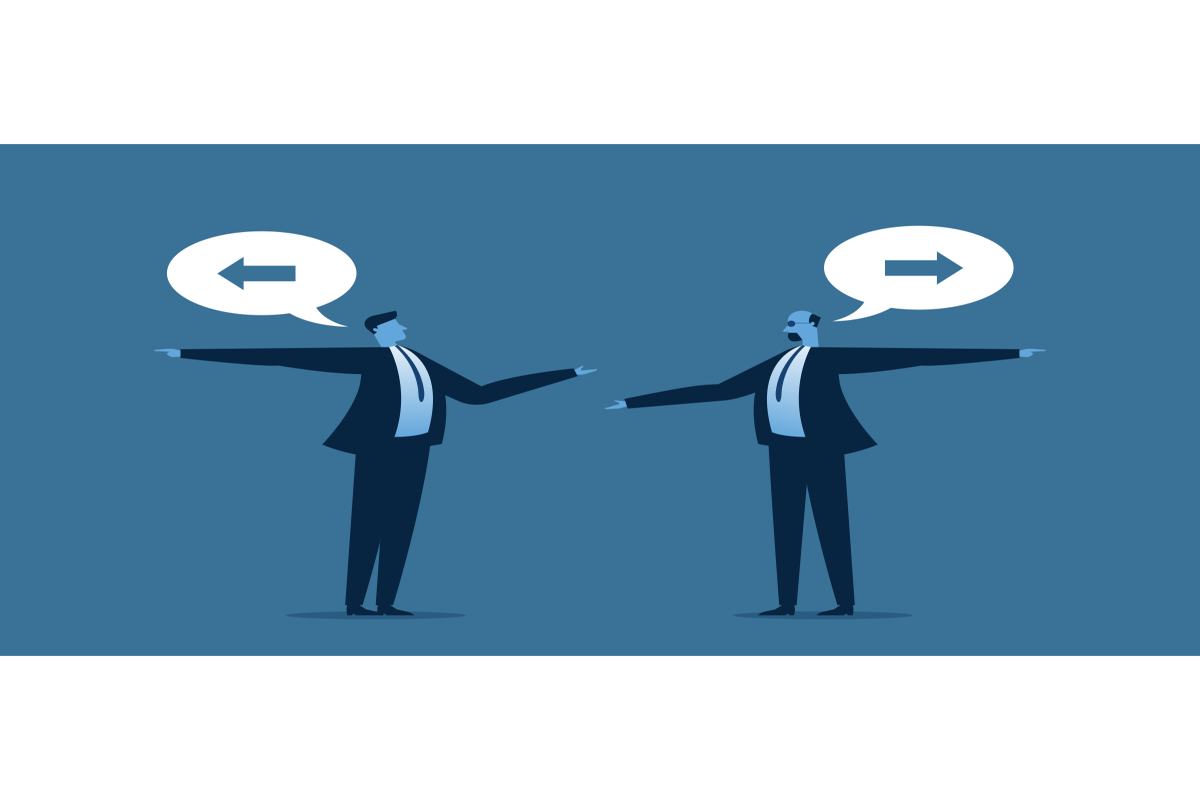
Stop Reading Generic Comparison Articles
Every "PTE vs IELTS" article on the internet gives you the same side-by-side table: duration, sections, scoring. That's useless. You can find that on the official websites in 30 seconds. What you actually need is someone who has coached students through BOTH exams extensively and can tell you what the data says about who succeeds on which exam.
I've prepared over 500 students for PTE and 1,000+ for IELTS. I've watched students bomb IELTS Speaking three times and then crush PTE on their first attempt. I've also seen the reverse. The difference isn't English level. It's format fit. So let's get into the real differences that actually affect your score.
The Fundamental Difference: Human vs. Machine
Everything else flows from this one distinction.
IELTS Speaking puts you in a room with a human examiner for 11-14 minutes. They ask questions, they react to your answers, they have facial expressions. For some students, this is comforting. For many Turkish students, it's terrifying. The social anxiety layer on top of the language challenge creates what I call "double processing load," where your brain is simultaneously producing English AND monitoring how the examiner perceives you.
PTE Speaking is you, a microphone, and a screen. No human face. No eye contact. No judgment to interpret. The AI scores your audio based on pronunciation algorithms, oral fluency metrics, and content analysis. It doesn't care about your accent as long as you're intelligible. It doesn't get bored. It doesn't have a bad day.
Here's my data from 3 years of tracking: students with measurable social anxiety (self-reported or identified through our diagnostic) score an average of 0.8 IELTS bands lower in Speaking compared to their other sections. Those same students, when switched to PTE, show no such gap. The social anxiety variable essentially disappears when the human examiner is removed.
If you get nervous when someone watches you speak, stop forcing yourself through IELTS. Try PTE. This isn't weakness. This is strategic exam selection.
Scoring: AI Consistency vs. Human Subjectivity
PTE is scored by AI. The same response gets the same score every time. There's no examiner having a bad morning. No cultural bias in accent perception. No subjectivity in the scoring of your essay.
IELTS Writing and Speaking are scored by human examiners. IELTS has extensive standardization processes, but inter-rater reliability isn't perfect. I've had students take IELTS twice in the same month with Writing scores of 6.0 and 7.0 on essays of virtually identical quality. That 1.0 band variance exists in the system. It's not common, but it happens enough that I track it.
The practical implication: if you're a perfectionist who will spiral when you get a score that "doesn't match" your effort, PTE's algorithmic consistency might be better for your mental health. If you feel your English has nuance that a machine can't capture, IELTS's human scoring might serve you better.
Results Speed
This matters more than people think, especially for immigration deadlines.
- PTE: 1-2 business days. Sometimes same-day.
- IELTS (computer): 3-5 days.
- IELTS (paper): 13 days.
When you're waiting on a university application deadline or an immigration draw, those extra days can cost you a cycle. I've had students miss Express Entry draws because their paper-based IELTS results came two days late. PTE's speed is a genuine strategic advantage.
Cost Comparison for Turkish Students (2026)
| Exam | Approximate Cost | Retake Cost |
|---|---|---|
| IELTS | ₺6,000-7,500 | Same again |
| PTE | ₺4,500-5,500 | Same again |
PTE is roughly 25-30% cheaper. But the real savings come from retakes. If you need two or three attempts (which is normal, not shameful), PTE saves you ₺3,000-6,000 total. That's real money for a Turkish student in 2026.
Section-by-Section Breakdown
Reading
IELTS: Traditional passages with questions. Straightforward. Time management is the main challenge. PTE: Multiple question types including drag-and-drop, reorder paragraphs, fill in the blanks. More varied, requires interface familiarity.
My take: If you're a strong reader, IELTS Reading is more predictable. PTE Reading has more "format tricks" that can trip you up even with strong English.
Writing
IELTS: Two tasks. Task 1 (graph/chart description) and Task 2 (essay). Scored by humans. PTE: Summarize Written Text (one sentence summary) and Essay. Scored by AI.
My take: IELTS Writing is where Turkish students lose the most points due to L1 interference patterns like article omission and preposition errors. But PTE Writing's AI scorer is less forgiving of structural issues and more forgiving of minor grammatical errors. Pick your poison.
Speaking
Covered above. Human vs. machine. If social anxiety is a factor, PTE wins.
Listening
IELTS: Played once, answer as you listen. Traditional format. PTE: Integrated with speaking tasks. You listen, then immediately summarize or repeat. Tests listening and production simultaneously.
My take: PTE Listening is harder because it's never "just" listening. It's always listening-then-doing-something. But the upside is you can't zone out. The integrated format forces engagement.
Who Should Choose PTE
Based on my data across 1,500+ students:
- Social anxiety profile: You perform worse when watched. PTE removes the human variable.
- Targeting Australia or New Zealand: PTE is the dominant exam for immigration to these countries. Your test prep resources and support community will be larger.
- You need fast results: 1-2 days vs. 3-13 days matters for deadlines.
- Consistent scoring matters to you: You want to know that your score reflects your English, not examiner variance.
- Budget-conscious and expecting retakes: PTE is cheaper per attempt.
Who Should Choose IELTS
- UK immigration: IELTS for UKVI is required. PTE UKVI exists but has limited availability.
- You thrive with human interaction: Some students genuinely perform better when talking to a person. If mock tests show higher scores in face-to-face practice than in computer practice, listen to that data.
- European university applications: IELTS still has broader acceptance in continental Europe.
- You prefer predictable question formats: IELTS has barely changed in decades. Abundant practice resources look exactly like the real thing.
- Strong writer, weak speaker: IELTS Writing can compensate for a weaker Speaking score. In PTE, the integrated scoring means speaking weakness bleeds into other sections.
The Wrong Reason to Choose Either Exam
"My friend took IELTS so I should too." Stop. Your friend's anxiety profile, learning style, and target country are probably different from yours. Exam selection is personal. It's strategic. It should be based on YOUR data, not someone else's anecdote.
If you're genuinely undecided, here's what I recommend: take one official practice test of each (PTE has a free scored practice test; IELTS has practice materials from British Council). Compare your practice scores. That objective data will tell you more than any article, including this one.
Ready to Decide?
Book a free 15-minute consultation and we'll review your profile together. Or check the full pricing breakdown for both exam preparation programs.
Related reads: